




Shop Bound Prints

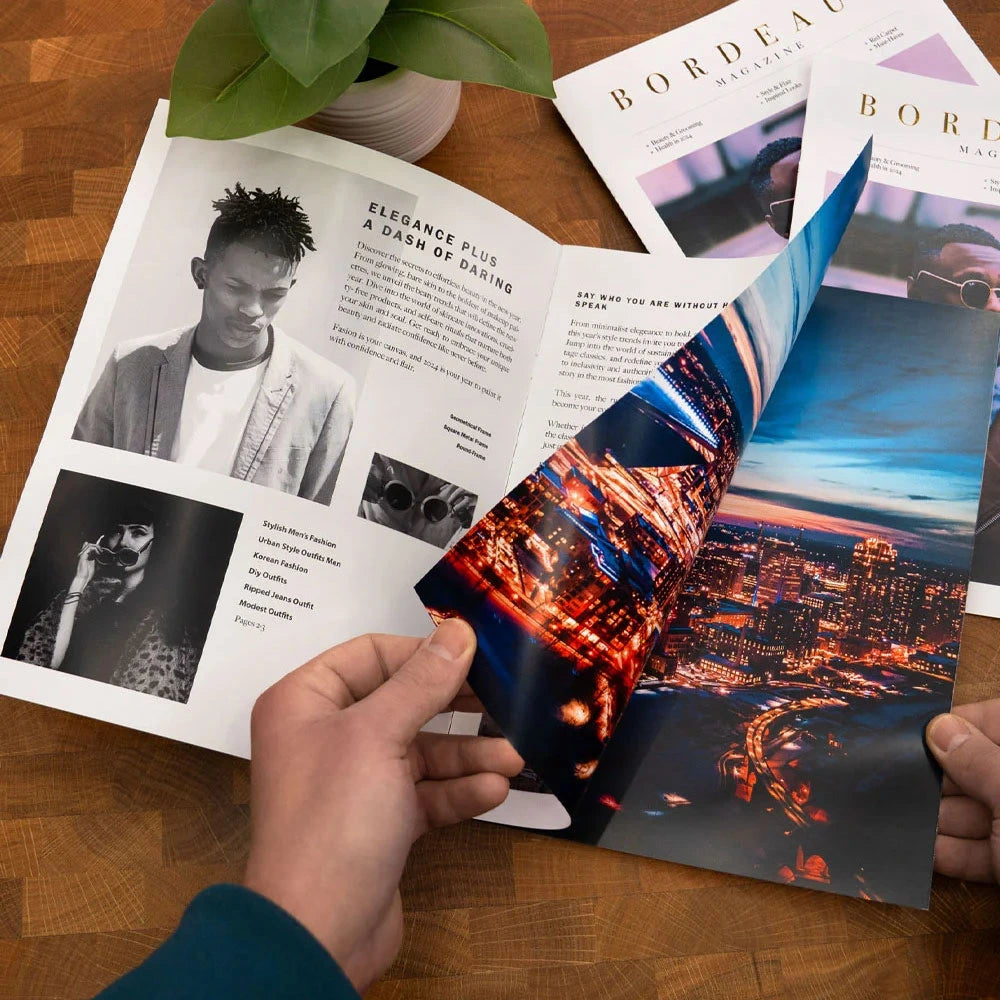
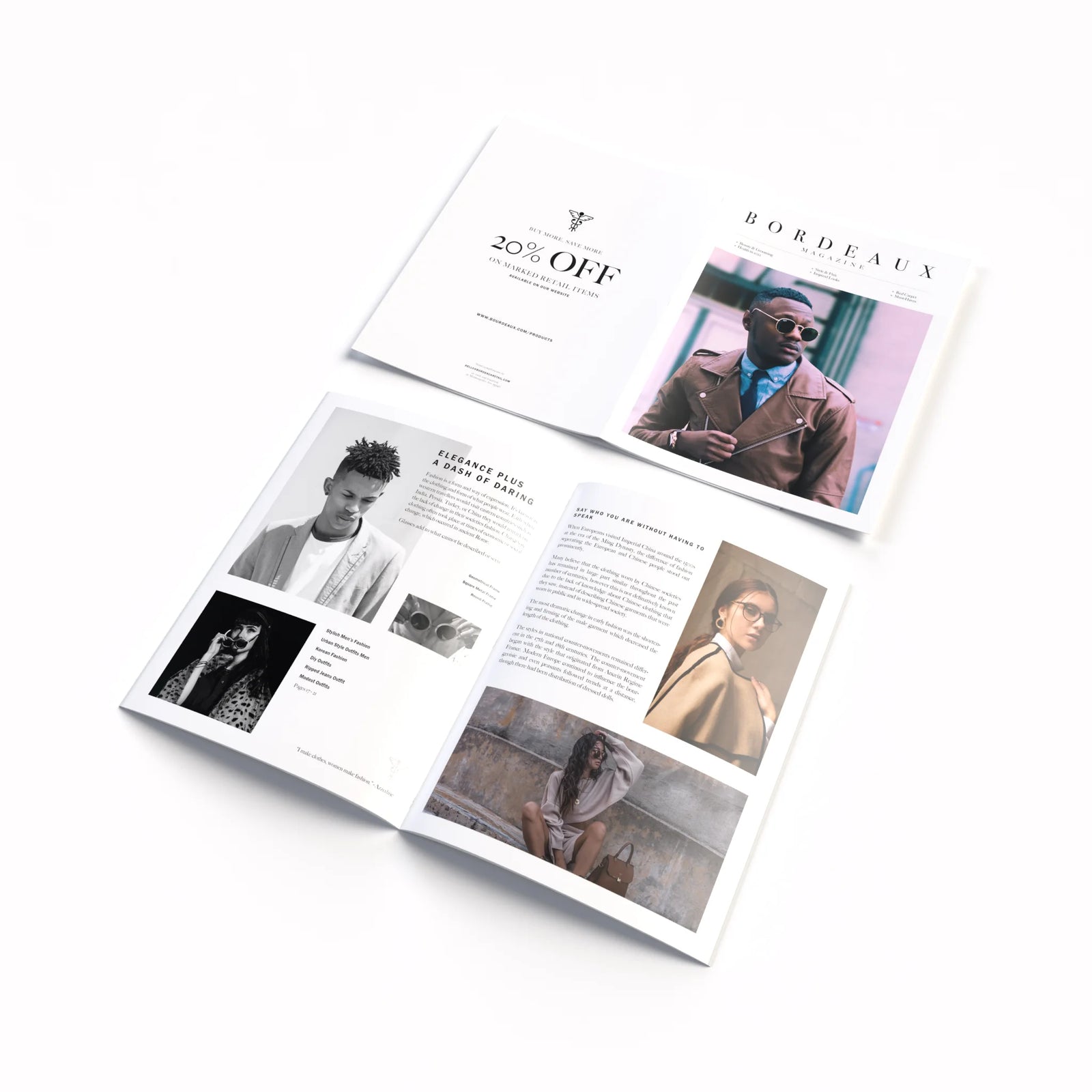
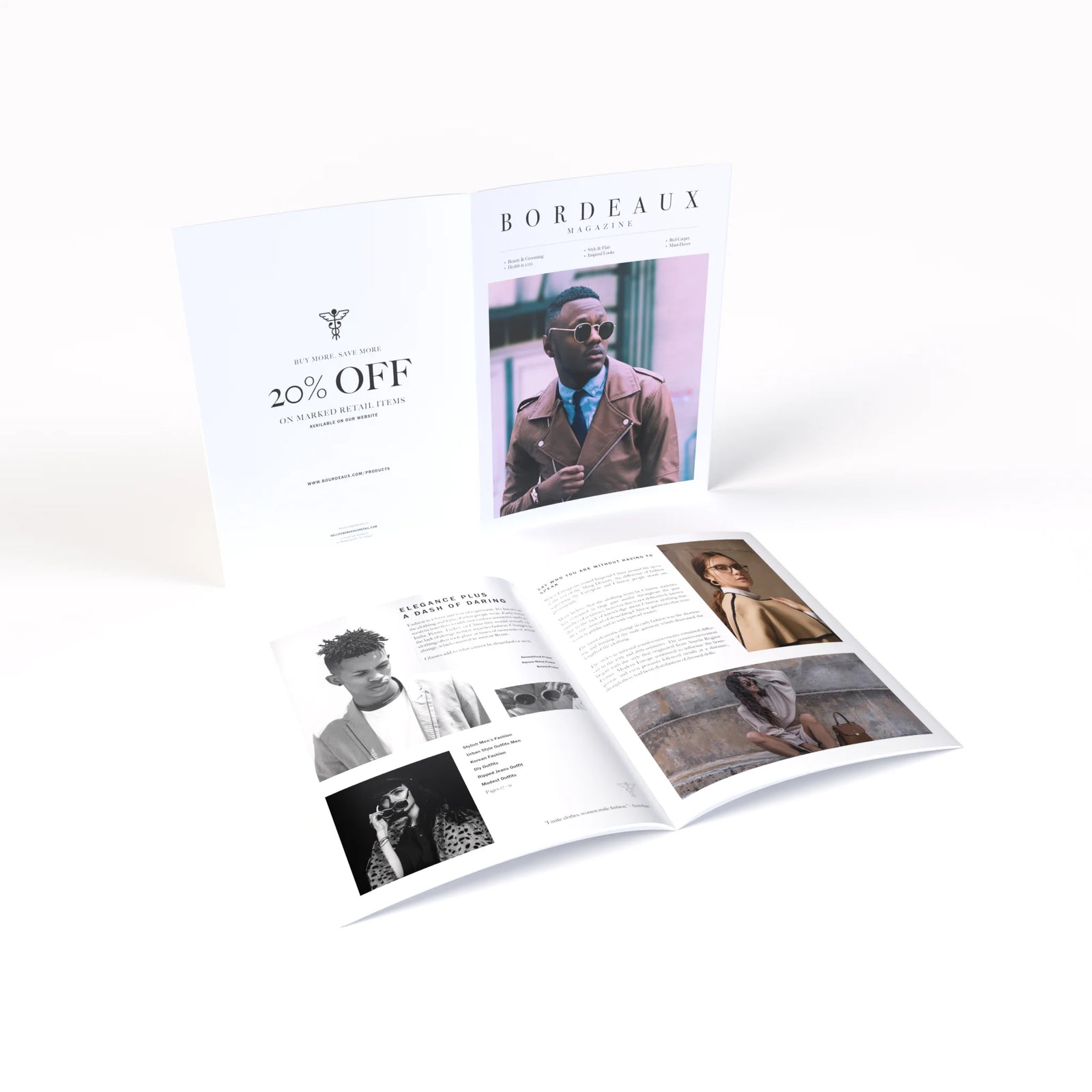
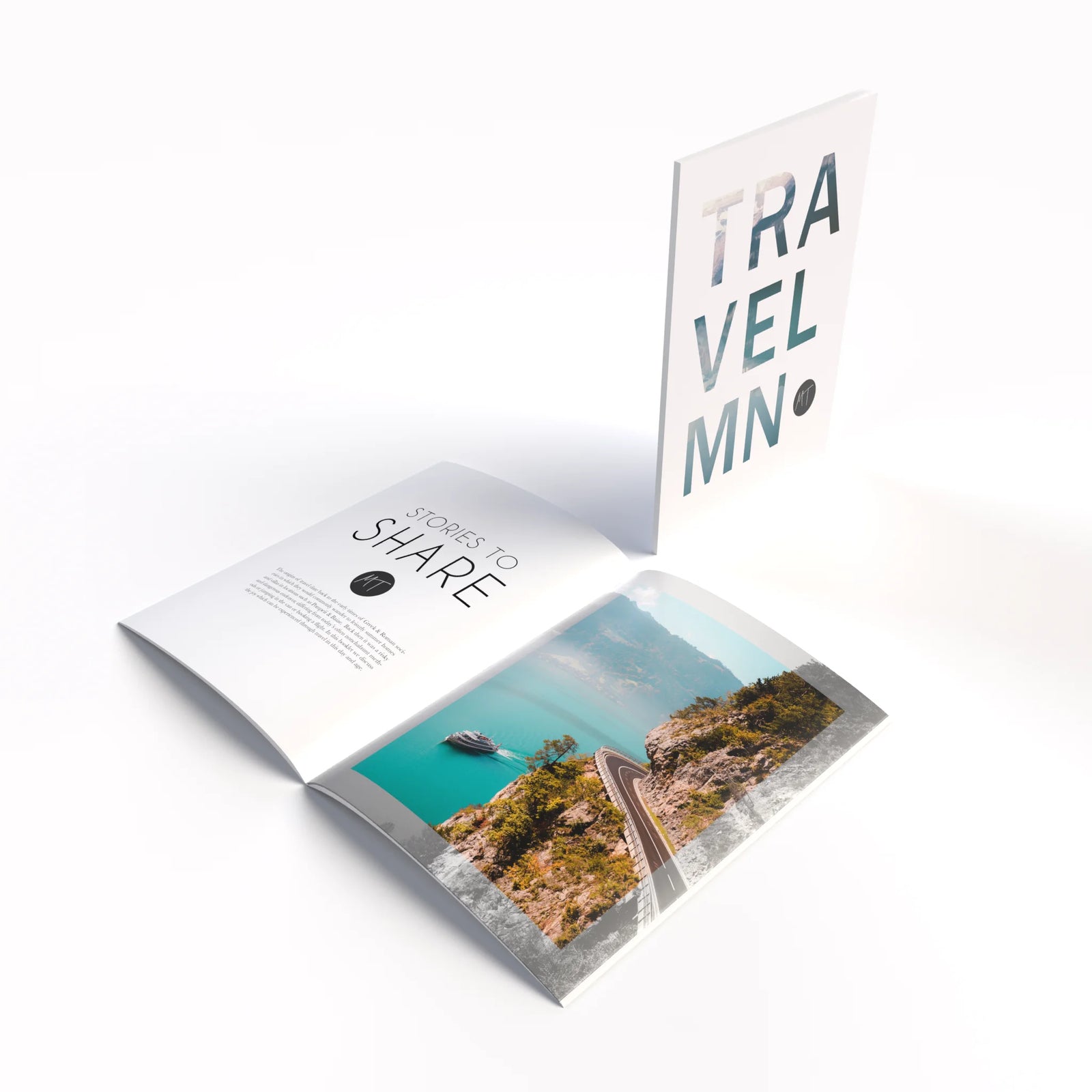
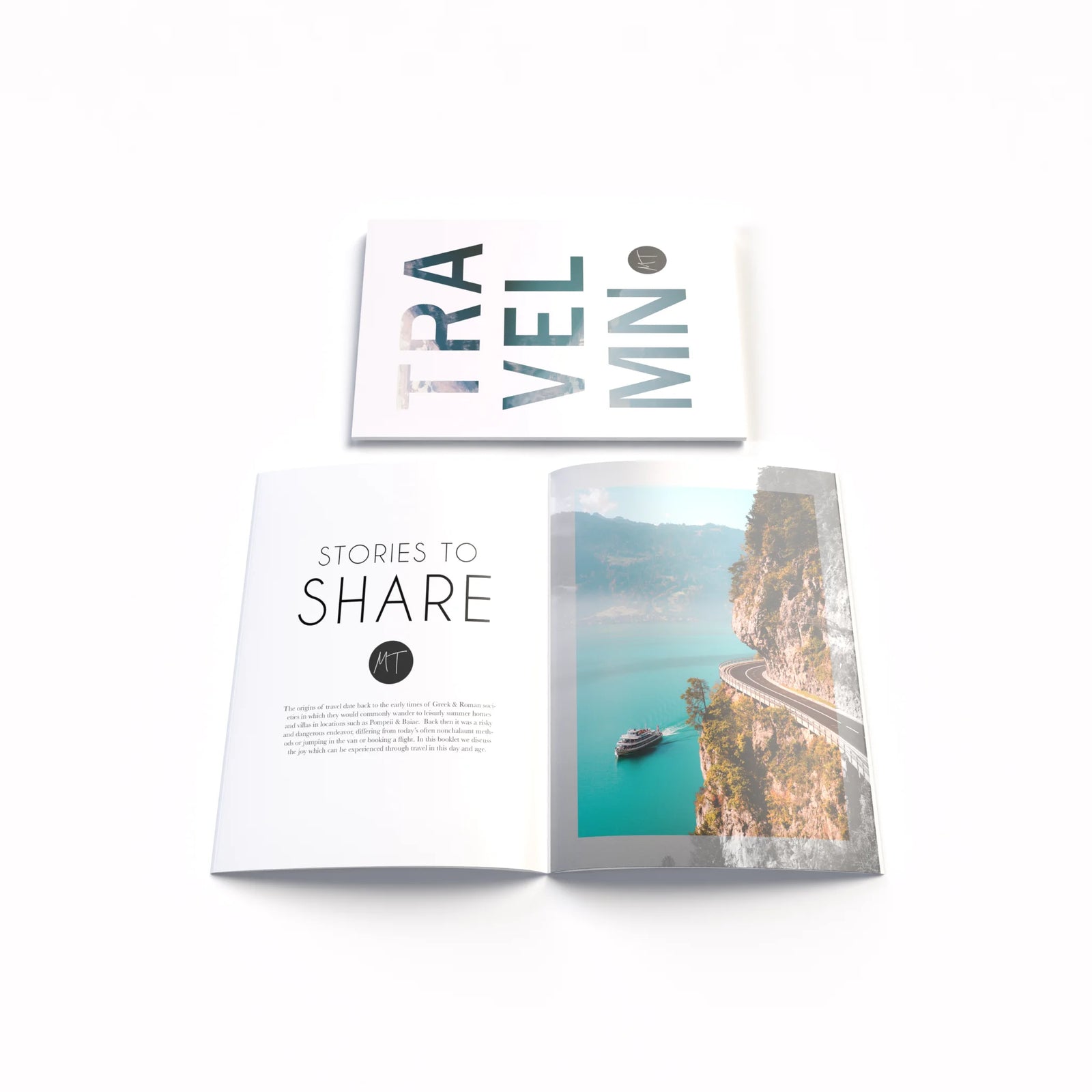
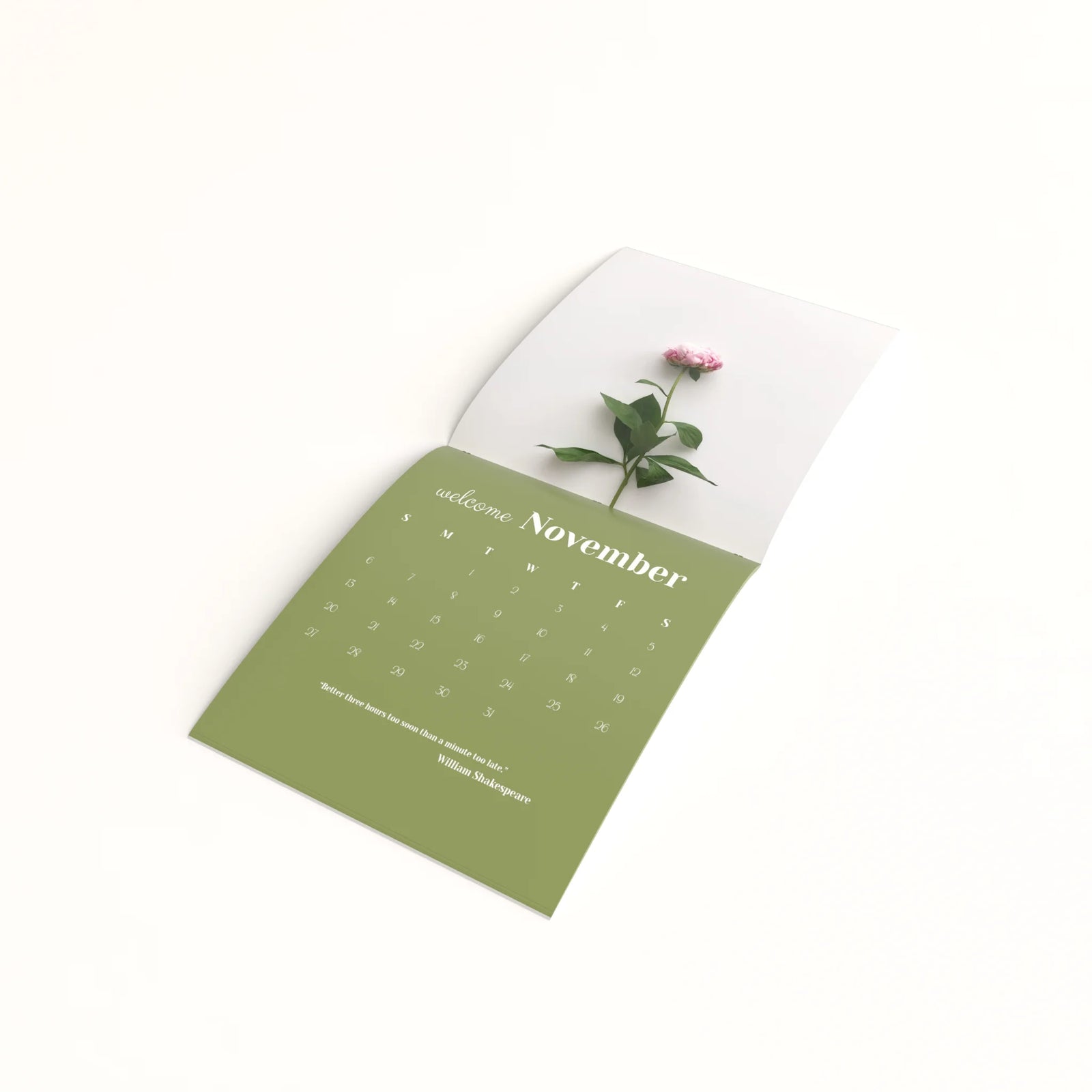
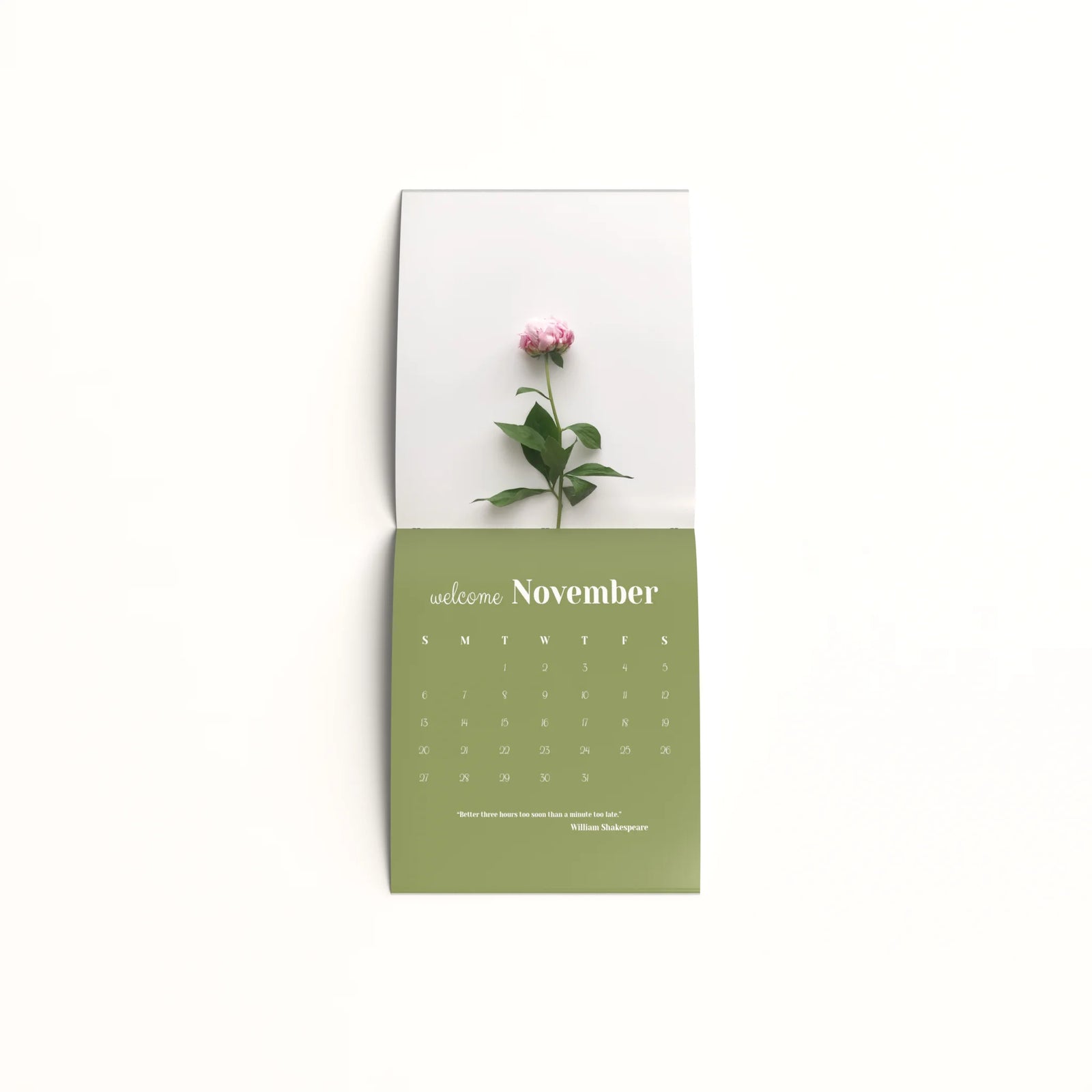
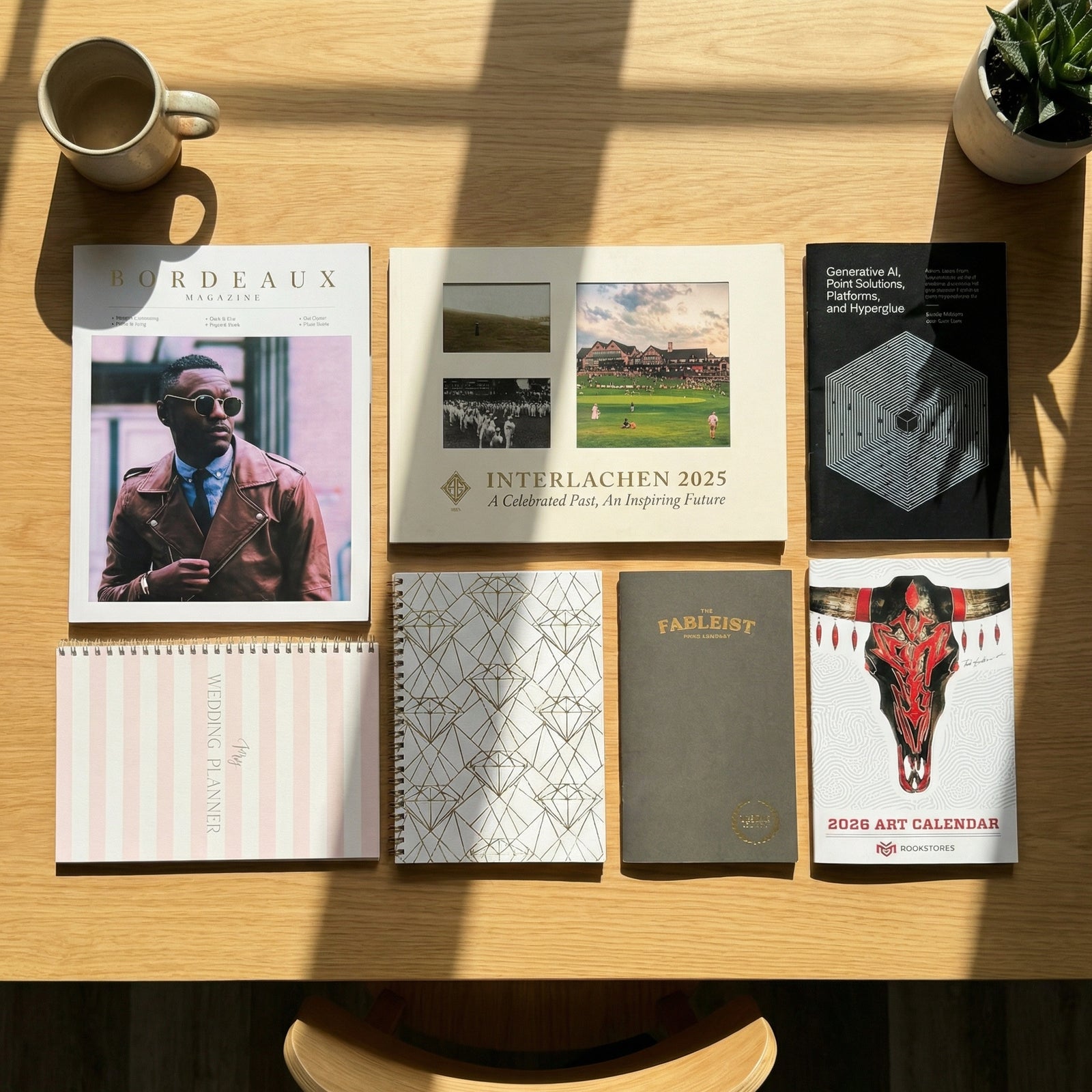
Elevate your brand with high quality custom booklet printing designed to turn heads and drive results. From vibrant product catalogs, magazines and lookbooks to professional annual reports and technical manuals, we offer completely personalized printing solutions tailored to your exact specifications.

Stop settling for generic templates. Whether you need the sleek, book-like finish of perfect binding or the classic efficiency of saddle-stitching, our premium paper stocks and custom finishes ensure your project stands out.

Bound Prints

Notepads $0.69

Booklet Binding Options

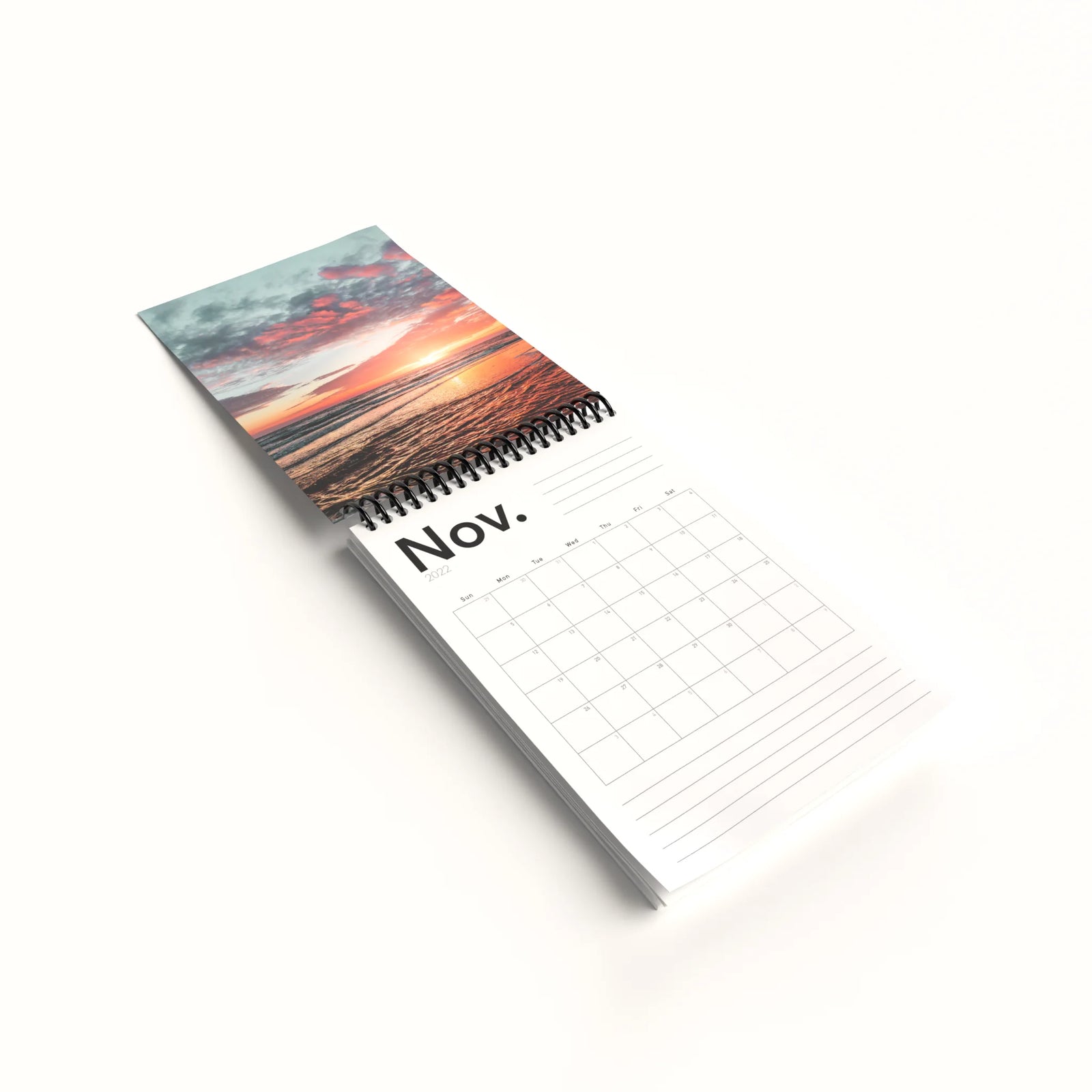
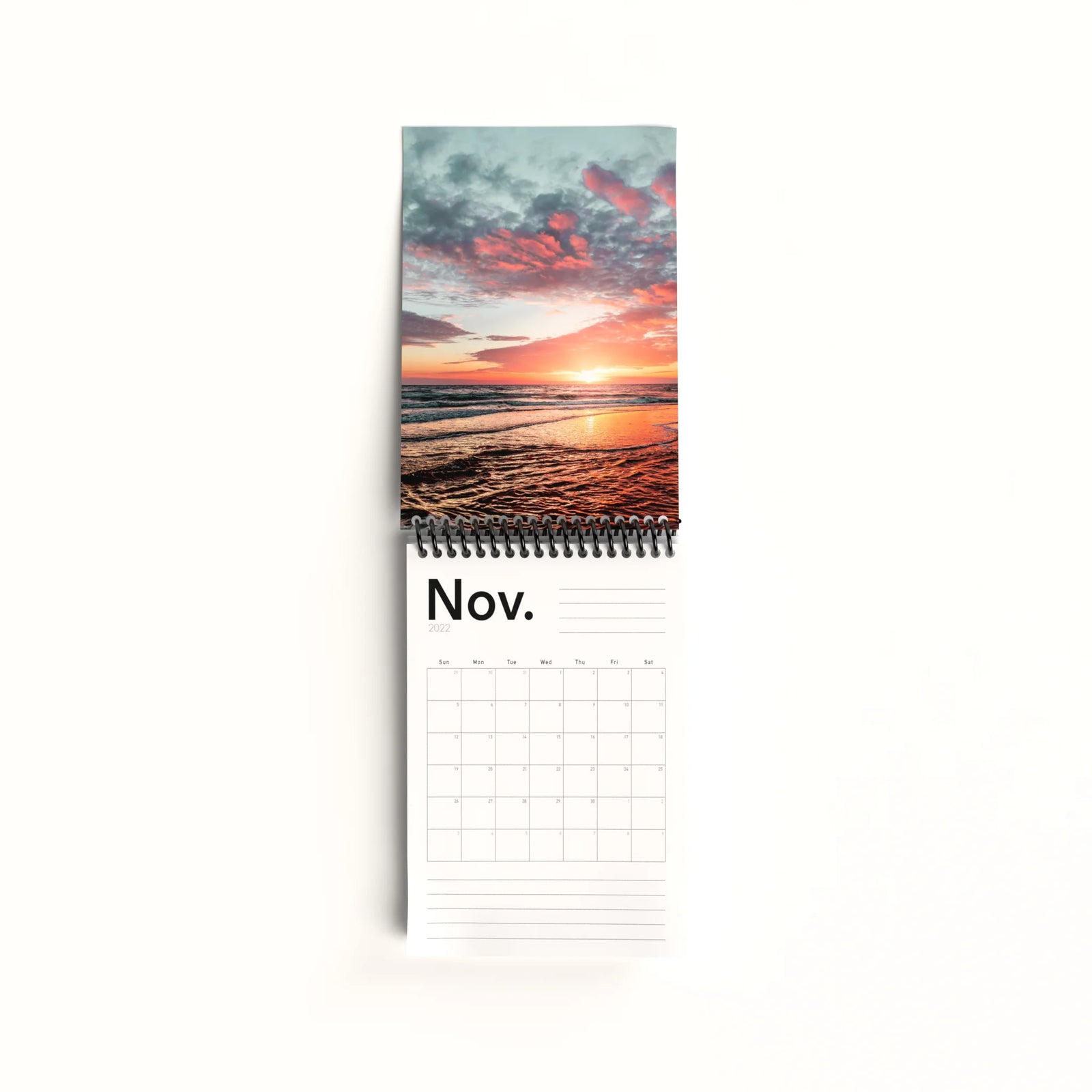
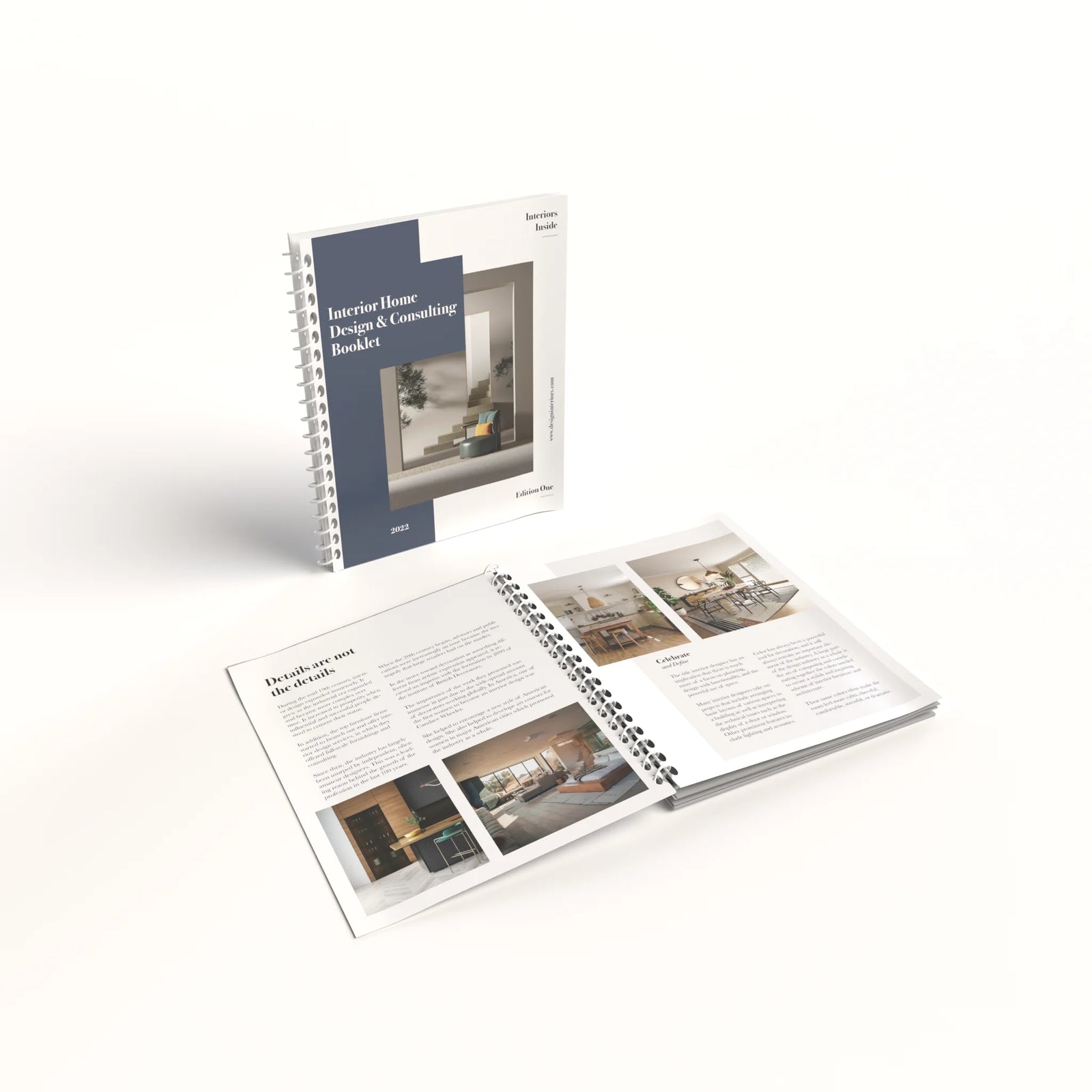
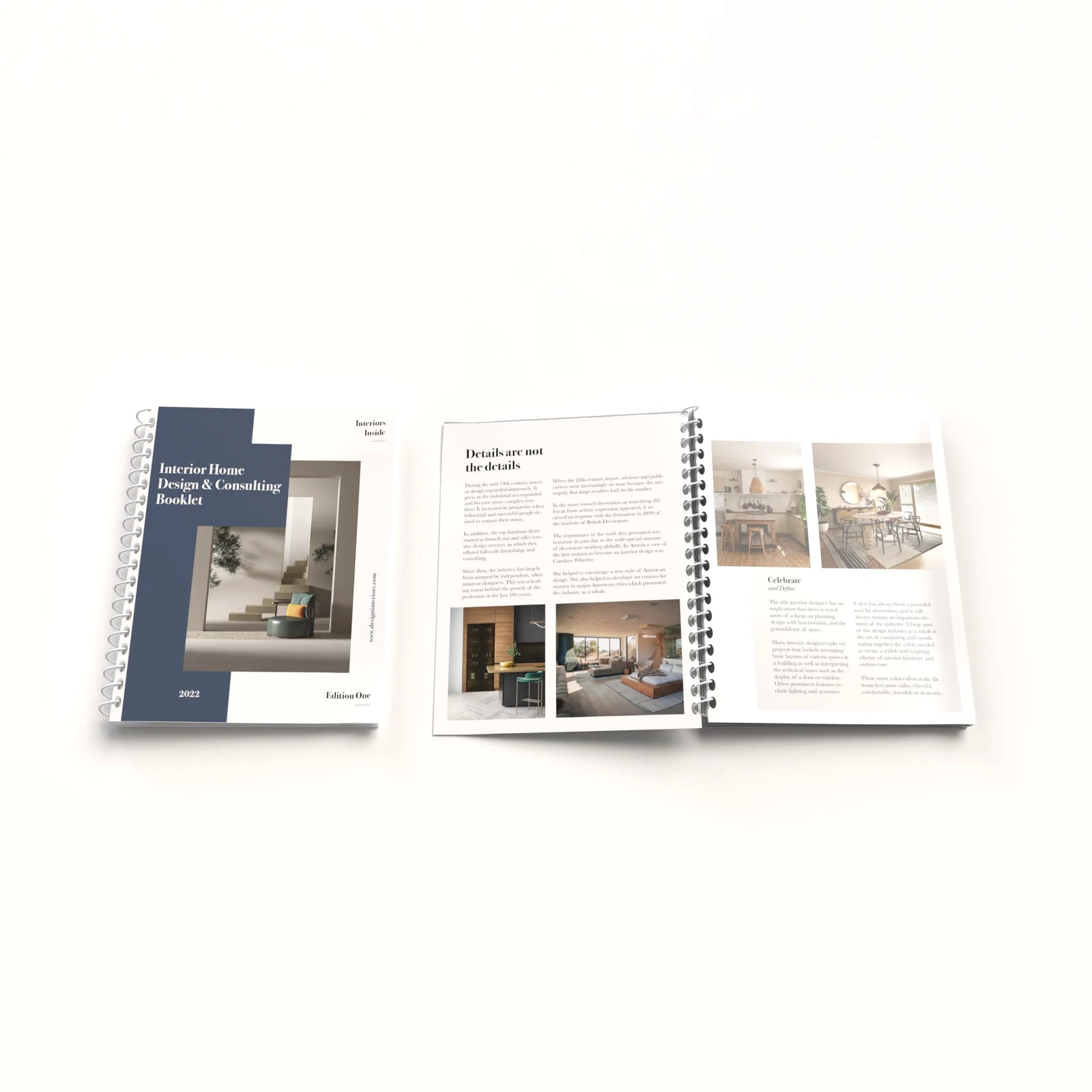
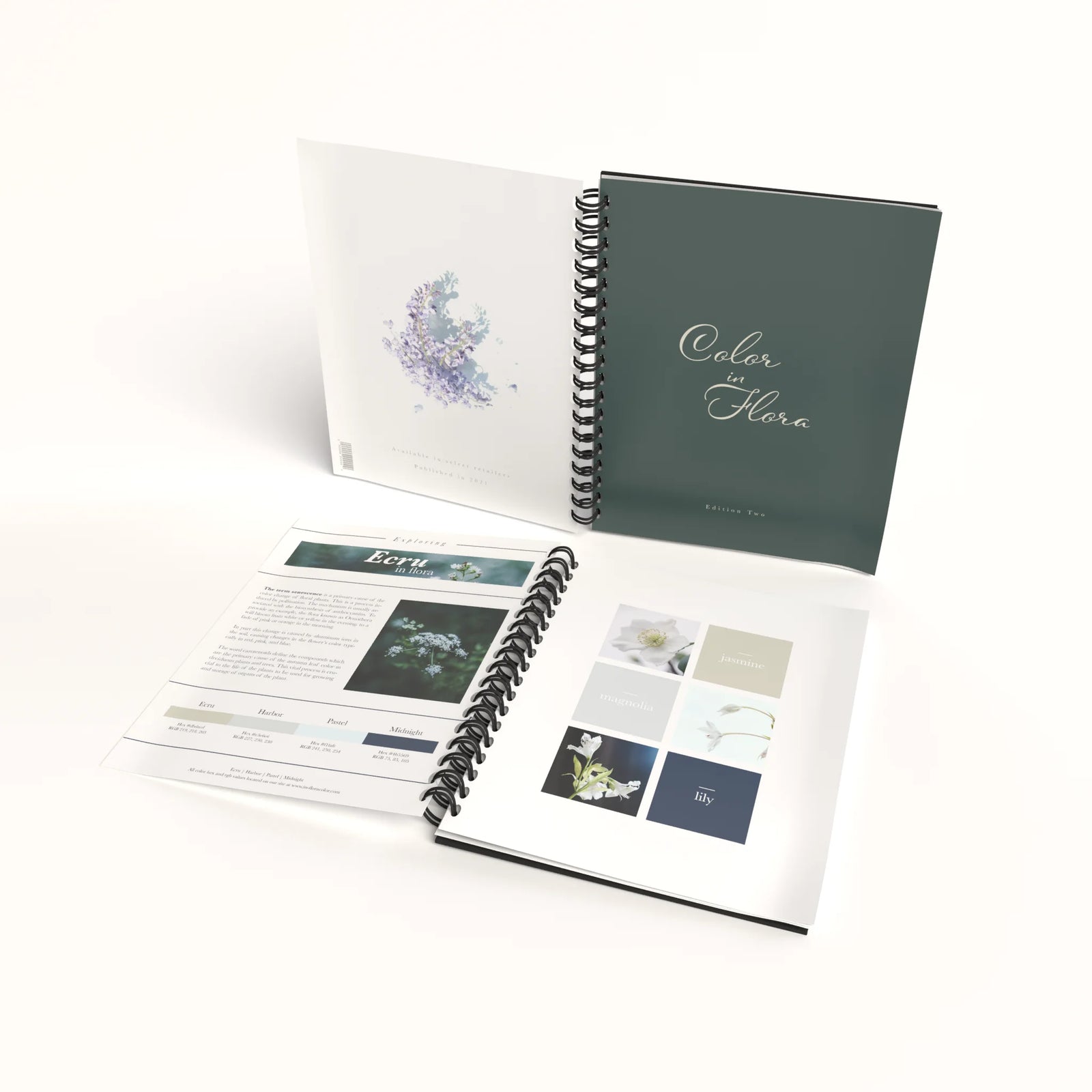
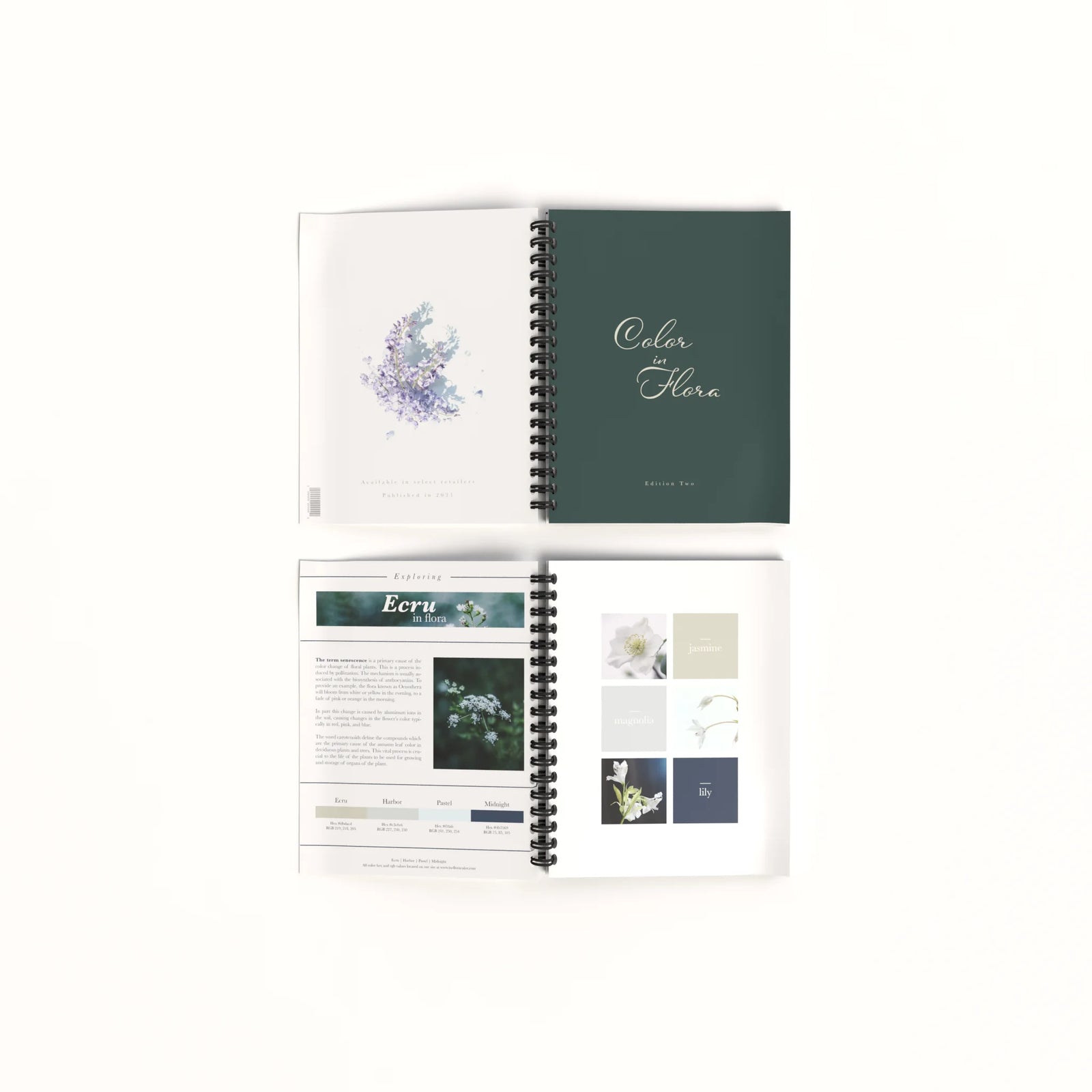
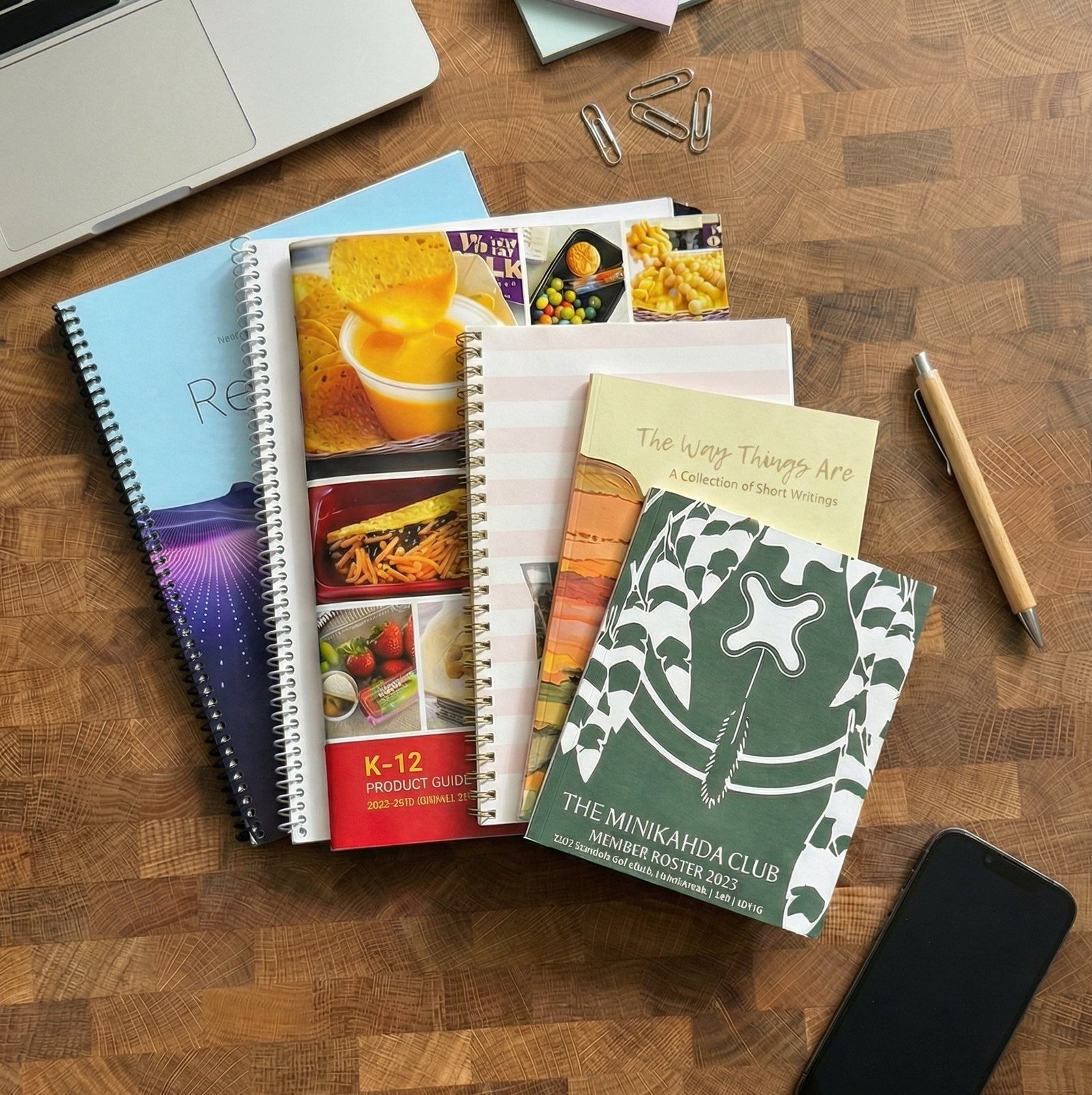
We offer a full range of custom booklet binding options to match your project’s page count, purpose, and presentation needs. Choose from saddle stitch for clean, cost-effective booklets, perfect binding for thicker, polished publications, or coil and spiral binding for manuals and documents that need to open flat and withstand frequent use.

Our bindery services support both short-run and large-scale booklet printing, ensuring professional results from start to finish.

Specialty Finishes and Embellishments

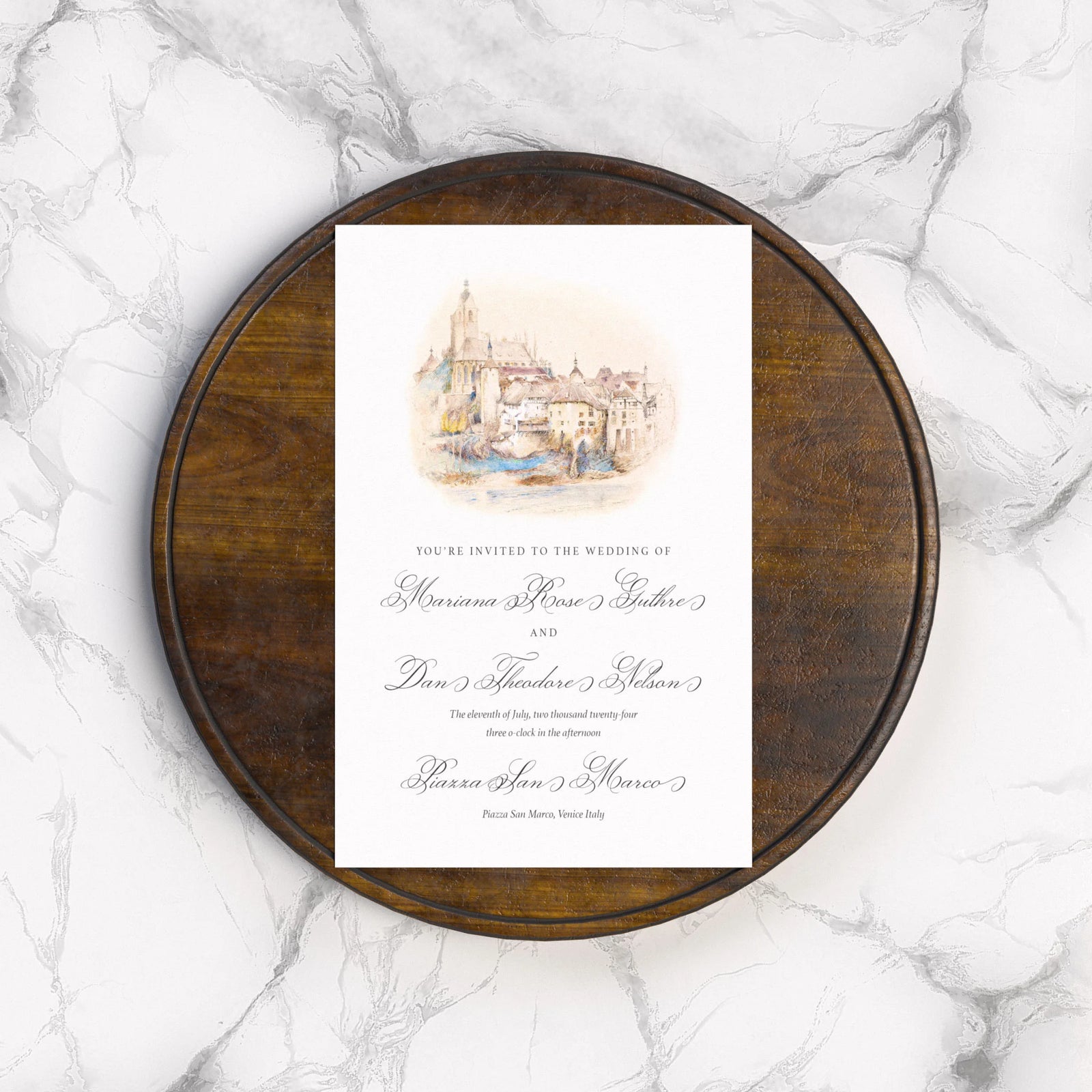
To truly differentiate your brand, we offer high-end finishing touches like colored foil stamping for a luxurious metallic pop, crisp white ink printing on dark or specialty stocks, and velvety soft-touch lamination. Beyond the aesthetics, we provide total scale flexibility; whether you need a compact, pocket-sized field guide or a bold, large-format portfolio, our facility handles custom sizes of all dimensions.

By pairing unique paper textures with striking visual accents, you transform a simple document into a high-impact marketing tool that stands out from the competition.

FAQs: Booklet Printing

Pricing, Production & Turnaround

Booklet printing cost depends on five primary factors: size, page count, binding style, paper selection, and quantity.

Saddle stitched booklets with lower page counts and thinner paper stocks are typically the most economical. Perfect bound booklets, heavier cover stocks, specialty papers, and embellishments increase production cost due to materials and finishing steps.

Quantity significantly affects pricing. The higher the quantity, the lower the cost per piece due to press efficiencies and setup distribution.

If you’re planning a catalog, annual report, lookbook, or event program, requesting a custom quote ensures pricing reflects your exact specifications rather than a generic template.


Booklets can be printed in a wide range of standard and custom sizes.

Common finished sizes include:

  • 8.5" x 5.5" (unfolds to 8.5” x 11”)
  • 8.5" x 11" (unfolds to 11" x 17")

Landscape orientations are also available, and custom trim sizes can be produced to match branding or packaging requirements.

Minimum order quantity depends on the binding style and production method.

Digital production allows for short runs, often starting at 25 or 50 pieces.

If a customer is interested in ordering smaller quantities, we can accommodate this via a custom quote request. Similarly if they exceed the maximum quantity listed on our website, we invite you to submit a quote request for our best pricing.

If you need a small quantity for a presentation, prototype, or limited event run, short-run printing is often the right solution.

Turnaround time depends on the structure of the booklet, including page count, binding method, and total quantity.

As a general standard, most booklet projects are completed within approximately 7 business days after proof approval. Shorter formats, such as lower page-count saddle stitched booklets, may move through production more quickly, while larger or more complex pieces naturally require additional time.

A 5-day rush production option is available for most booklet types. For projects with tighter timelines, custom scheduling may be possible upon request. Foil booklets typically have a longer production time due to the nature of foil die creation and foiling process.

For the most accurate timing, we recommend requesting a custom quote based on your specific project details.

Print-ready PDFs are the preferred format.

Files should:

  • Be high-resolution (300 dpi)
  • Include 0.125" bleed on all sides
  • Use CMYK color mode
  • Have embedded fonts

Booklet files should be supplied as single pages, not as spreads. Bryant Graphics will handle imposing (arranging) them for print.

Binding Types & Specifications

Page count capacity depends on binding type, paper thickness, and overall book thickness. Each binding style has structural limits.

How many pages can a saddle stitched booklet have?

  • Saddle stitched booklets are best suited for shorter formats, typically up to 32–40 pages.
  • Page counts must be in multiples of four due to the folded sheet construction. As page count increases, paper thickness also plays a role, as heavier stocks can limit how many pages can be bound cleanly.
  • This format is ideal for programs, brochures, event guides, and small catalogs where a lighter, more streamlined booklet is preferred.

How many pages can a perfect bound booklet have?

  • Perfect bound booklets generally range from 40 to 300+ pages.
  • The minimum page count is usually 40–48 pages to allow proper spine formation.
  • Perfect binding is ideal for catalogs, magazines, annual reports, and higher-page-count publications where a printed spine is desired.

How many pages can a coil or spiral bound booklet have?

  • Coil and spiral bound booklets can accommodate 8 to 400+ pages depending on coil diameter.
  • They lay completely flat and allow full 360-degree rotation.
  • These are often used for manuals, training guides, cookbooks, and reference materials where usability matters more than spine aesthetics.

Saddle stitch uses metal staples along the folded spine. It is economical, clean, and suitable for lower page counts.

Perfect binding uses adhesive along a square spine. Pages are glued into a wraparound cover, creating a book-like appearance. Perfect binding booklets are a great application for soft-cover paperback books.

Saddle stitch feels lightweight and flexible. Perfect bound feels substantial and more “published.”

The decision typically comes down to page count, budget, and presentation goals.

The terms are often used interchangeably, but there are subtle differences.

Plastic coil binding allows pages to rotate fully and is durable for heavy use. It resists bending better than traditional wire spiral.

Wire spiral binding offers a slightly more refined aesthetic but may deform under pressure.

Choose coil or spiral when:

  • The booklet must lay flat
  • Users need to fold pages back
  • Durability outweighs spine branding

For premium retail or presentation pieces, perfect binding is usually preferred. For training and reference materials, coil or spiral performs best.

Custom Papers & Premium Finishes

The best paper depends on purpose.

For catalogs and marketing pieces:

  • 80–100 lb text interior
  • 100–120 lb cover stock

For premium lookbooks:

  • Heavier text stock for interior
  • Coated cover

For manuals:

  • Uncoated text stock for writability

Coated gloss enhances photography. Matte offers a softer, more refined look. Uncoated feels tactile and understated.

Paper choice influences weight, mailing cost, and brand perception.

Yes. This is standard practice.

Covers are often printed on heavier stock to add durability and structure.

For example:

  • 80 lb text interior with 100 lb cover
  • 100 lb text interior with 120 lb cover

Heavier covers elevate perceived value and protect interior pages during handling and shipping.

Yes, specialty and textured papers are available via a custom quote.

Options include:

  • Linen
  • Felt
  • Laid
  • Colored stocks
  • Soft-touch laminated covers

Textured papers add character but can slightly soften fine image detail. Due to the nature of the paper stock, we do not recommend printing photos on textured papers.

For luxury brands, selecting the right specialty stock can significantly elevate the final piece.

Yes.

Gloss coating enhances color vibrancy and image sharpness.

Matte coating reduces glare and feels more refined.

Soft-touch laminate creates a velvety, tactile surface often used in high-end branding.

Laminates also increase durability and scuff resistance, as is available via custom quotes.

Yes.

Foil stamping adds metallic or colored foil using heat and pressure, creating a premium accent.

Embossing raises elements for dimensional texture.

Debossing presses elements into the surface for subtle depth.

White ink is ideal for dark or colored paper stocks where opacity matters.

These embellishments require additional setup, including custom dies, and increase production timelines slightly. However, they dramatically elevate perceived value.

For these embellishments, we suggest submitting a custom quote.

Search Bryant Graphics